

Beauty Tech Brands Integrate Sensors Into Brush Handles for Bristle Pressure Analysis
Smart Beauty Brushes: Sensor-Integrated Handles Redefine Bristle Pressure Analysis in Makeup Tech
The beauty industry is undergoing a tech-driven transformation, and one of the most innovative shifts lies in the integration of sensors into makeup brush handles—specifically designed for bristle pressure analysis. As consumers increasingly demand precision, personalization, and data-driven results in their beauty routines, beauty tech brands are leveraging this technology to bridge the gap between traditional tools and smart functionality.
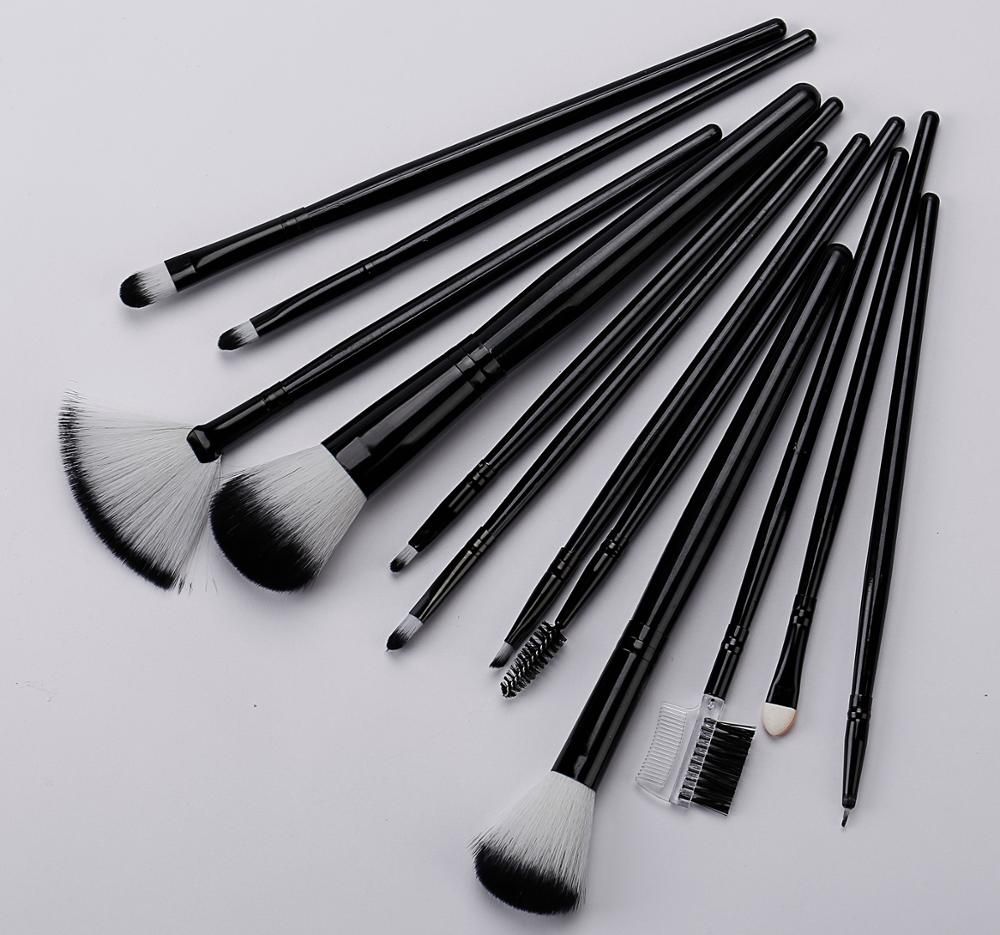
Traditional makeup brushes, while essential, leave room for user error: applying too much pressure can damage bristles, waste product, or result in uneven makeup application, while too little pressure may fail to blend products effectively. For both makeup enthusiasts and professionals, mastering the "right" pressure has long been a learning curve—until now. Sensor-integrated brush handles are changing this by providing real-time, actionable data on bristle pressure, empowering users to refine their technique and achieve consistent results.
At the core of this innovation are compact, low-power sensors embedded within the brush handle. These sensors—often piezoresistive or capacitive—detect minute changes in pressure as the bristles make contact with the skin or product. The data is then processed by a built-in microchip and transmitted via Bluetooth to a companion mobile app, where it is visualized as pressure levels (e.g., "light," "optimal," "excessive") and paired with instant feedback. Some advanced models even include haptic feedback: a subtle vibration alerts users when pressure exceeds the ideal range, training muscle memory over time.
Beyond real-time correction, these smart brushes offer long-term value through data tracking. Apps log pressure patterns across different makeup steps (e.g., foundation blending vs. eyeshadow application) and product types (liquid vs. powder), allowing users to identify habits—like pressing too hard with powder brushes—and adjust accordingly. For beauty brands, this anonymized user data is gold: it reveals how consumers interact with their tools, guiding future product design (e.g., stiffer bristles for users who apply light pressure) or targeted tutorials.
The market response to sensor-integrated brushes has been promising. A 2024 report by Beauty Tech Insights notes that smart makeup tool sales grew 42% year-over-year, with pressure-sensing brushes emerging as a top category. Early adopters praise the technology for its accessibility: "As a beginner, I never knew if I was pressing too hard until the brush vibrated," says a user quoted in the report. "Now my foundation looks airbrushed, and my brushes last twice as long."
Looking ahead, the potential for expansion is significant. Brands are exploring adding additional sensors—such as accelerometers to track brush movement angles or temperature sensors to monitor product consistency—to create even more intuitive tools. AI integration could further personalize feedback, tailoring pressure recommendations to skin type (e.g., sensitive skin may require lighter pressure) or makeup goals (e.g., full coverage vs. natural look).
In a beauty landscape where innovation is key, sensor-integrated brush handles are not just a trend—they’re a paradigm shift. By merging precision engineering with user-centric design, they’re turning a simple tool into a coach, educator, and partner in achieving flawless makeup. For beauty tech brands, this integration isn’t just about selling a brush; it’s about selling confidence, consistency, and control—qualities that resonate deeply with today’s tech-savvy consumers.


